
Key Takeaways
- Selecting a bus transport partner influences daily operations, as punctuality, route consistency, and dependable scheduling help organisations maintain smooth staff movement and coordinated programmes.
- Clear, predictable pricing structures allow organisations to plan transport budgets accurately and streamline approvals, renewals, and long-term service management.
- Strong safety practices, including professional drivers and organised boarding procedures, support an organisation’s duty of care when transporting employees, students, or event guests.
- Well-maintained vehicles and effective contingency planning help minimise service disruptions, ensuring transport arrangements remain reliable even in unexpected situations.
Introduction

Transport procurement decisions influence far more than transportation logistics. For many organisations in Singapore, selecting a corporate bus transport partner affects daily operational reliability, staff punctuality, and the smooth coordination of events or institutional schedules. Whether moving factory workers between shifts, arranging transport for school students, or transferring guests for weddings and funerals, procurement teams are effectively choosing a service provider that becomes part of their operational workflow. In this context, the process requires careful evaluation of reliability, safety standards, pricing transparency, and service continuity to ensure the selected partner can support long-term operational needs.
Reliability as a Foundation for Daily Operations
In corporate and institutional environments, reliability is the foundation of any effective transport procurement decision. Daily transport arrangements often operate on tight schedules where even minor delays can affect shift transitions, staff attendance, or programme coordination.
Consistency Across Scheduled Routes
Procurement teams often evaluate reliability by examining how consistently a provider performs across recurring routes and schedules, focusing on how well operators manage regular service delivery rather than one-off performance. In Singapore’s corporate environment, dependable corporate transport services support predictable staff movement between locations, ensuring employees arrive on time for shift changes, meetings, or operational duties.
Businesses arranging corporate bus hire often prioritise operators with a strong reputation for punctuality and reliable route management. Such consistency in service delivery reduces the need for constant monitoring by procurement teams and allows organisations to maintain smooth day-to-day operations.
Vehicle Capacity That Matches Operational Needs
Reliability also depends on whether a transport provider can deploy vehicles that match passenger requirements. Procurement teams typically evaluate whether operators can supply appropriately sized vehicles that balance efficiency and cost while maintaining service stability.
For example, 13-seater vehicles are commonly used for smaller staff groups or flexible schedules, while 23-seater buses provide a practical option for larger teams or institutional routes. Matching vehicle capacity to operational needs allows organisations to avoid unnecessary costs while ensuring passengers travel comfortably and safely.
Pricing Clarity and Procurement Accountability
Financial transparency plays an important role in transport procurement, particularly for organisations managing recurring transport arrangements or structured service contracts. Clear pricing allows procurement teams to maintain budget accuracy and secure internal approvals with confidence.
Transport providers that offer transparent quotations help organisations avoid disputes or unexpected cost adjustments that may complicate vendor relationships. Companies evaluating bus charter options in Singapore often prioritise operators that offer clear rate structures and predictable pricing models, allowing procurement teams to manage long-term transport arrangements with greater confidence and certainty.
Safety Standards Aligned with Institutional Responsibility
Safety expectations extend beyond vehicle condition alone. Organisations responsible for transporting employees, students, or other regulated groups must ensure that their transport partners operate with professional safety standards that uphold institutional responsibilities.
For companies implementing structured staff transport solutions, driver professionalism, safe driving practices, and responsible passenger management all help maintain a safe and controlled transport environment. Driver professionalism also influences passenger confidence and the overall travel experience, particularly for staff transport routes and organised events. This is particularly important for school and factory routes, where punctual arrivals and organised boarding processes support both safety and operational efficiency.
Fleet Condition as an Indicator of Operational Discipline
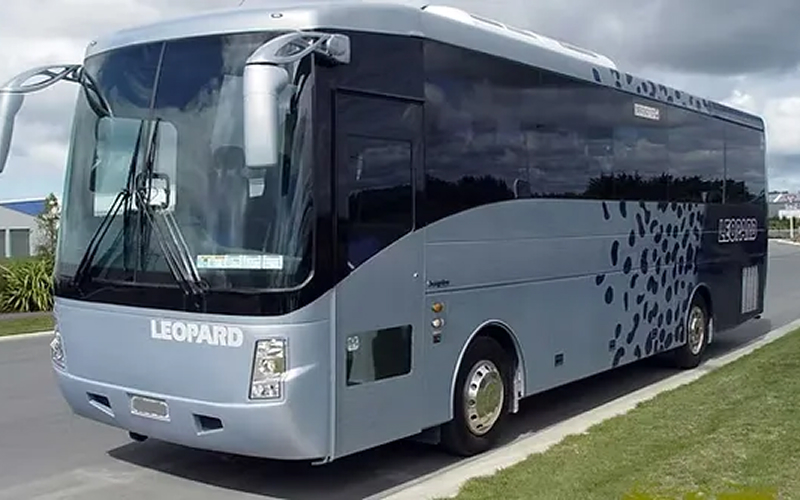
Fleet condition often reflects how a transport provider manages its daily operations. Clean, well-maintained buses indicate strong internal discipline and reduce the risk of service disruptions arising from inadequate maintenance.
Organisations overseeing institutional transport operations frequently consider vehicle maintenance standards when evaluating transport partners. A consistently maintained fleet ensures passengers travel in clean and reliable vehicles while allowing procurement teams to maintain service standards without repeated intervention.
Service Continuity and Recovery Readiness
In addition to routine operations, effective transport procurement also considers how a transport partner responds to disruptions. Operational disruptions, such as vehicle breakdowns or urgent schedule changes, can affect transport programmes if contingency measures are not in place. Organisations may also need transport capacity to adjust when staffing levels or operational schedules change.
Contingency Planning for Transport Disruptions
Transport providers that maintain structured recovery plans help organisations minimise operational interruptions. Contingency planning involves standby vehicles, coordinated driver support, and clear procedures that enable the rapid deployment of replacement vehicles in the event of disruptions.
Rapid Response Capability
Operational flexibility is equally important when transport requirements change unexpectedly. Procurement teams often seek providers that can respond quickly to urgent requests, especially when additional vehicles are needed for next-day schedules or last-minute arrangements.
Many businesses recognise Legendary Transport for its punctual service, clean buses, reliable drivers, and fast turnaround times, all supported by robust recovery planning. These operational practices help maintain uninterrupted service delivery when transport needs evolve or unforeseen situations arise.
Conclusion
Effective transport procurement requires organisations to evaluate transport providers as operational partners rather than simple service vendors. Reliability, transparent pricing, safety standards, fleet discipline, and contingency readiness all influence whether transport arrangements can support daily operations without disruption. In Singapore’s corporate and institutional environments, selecting a dependable transport partner helps organisations maintain schedules, uphold safety responsibilities, and ensure consistent transport for staff, students, and event guests. Organisations reviewing staff transport routes, event shuttle arrangements, or institutional transport programmes can benefit from assessing whether their current transport provider meets these operational standards.
Booking a bus in Singapore? Consult Legendary Transport Management to discuss transport requirements and receive a structured quotation tailored to your operational needs.




 Legendary Transport Pte Ltd